Agriculture
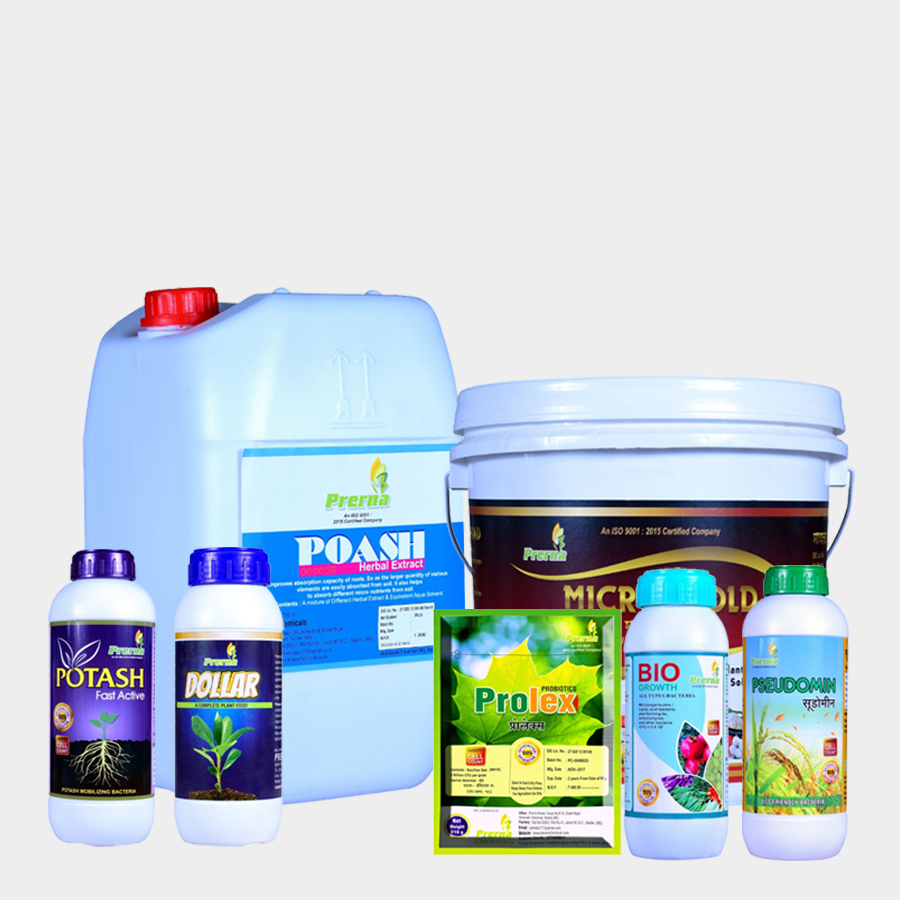
Bio Products
Certificates:ISO 9001:2015
Mahalingpur, KA
Storefront →Price on request
MOQ — Lead time on requestCurrency INR
BharatSeal order protection
Secure payments
Every payment is processed via Razorpay with PCI-DSS data protection and SSL encryption. We never see your card details.
PayUPIVisaMCAmexRuPayNet BankingWalletsPay Later+ more
Money-back protection
Claim a refund if your order doesn't ship, arrives damaged, or doesn't match the agreed spec. Disputes resolved within 7 working days.
Trade Assurance — not yet enrolled by this seller
This seller has not yet activated Trade Assurance. Pay outside BharatSeal at your own risk — we recommend chatting first to verify.
Only orders placed and paid through BharatSeal can enjoy free protection by 🛡 BharatSeal Trade Assurance.
Highlights at a glance
- ✓Category: Agriculture
- ✓Made in Mahalingpur, KA, India
- ✓Certified: ISO 9001:2015
EC- Electrical Conductivity
It is a measure of the total soluble salts in the soil. If the salt content is less than 0.1 g, there is no absorption of any nutrients. There is a relationship between pH and EC, if pH is alkaline and EC is acidic, the salt content increases and becomes more acidic, and if pH falls below 6, it is called acidic soil. In both cases, the absorption of nutrients in the soil increases the yield of the crop. For example, if the soil pH is 8-8.5, the nutrients in the soil become unavailable to the crop. Even if macro nutrients like Calcium, Magnesium and micro nutrients like Zn, Fe, Cu are present in the soil, they become unavailable to the crop. Then the crop will have to face deficiency symptoms and yield reduction. This leads to natural and healthy growth and the crop will be strong. Therefore, there are ways to keep the soil pH neutral. The soil should be tested every three years and kept in good condition. Soil testing is essential. The amount of Calcium, Magnesium and micro nutrients should be applied in the required quantity. You will not know the amount of nutrient and micronutrient in the soil without testing. This document provides a method of providing advice for soil analysis and testing. The soil pH (6.5-7.5) is essential for crop growth. Excessive agricultural use, excessive irrigation, and factors like soil erosion increase the pH in the soil. If it exceeds 6, it is called alkaline soil, and if it falls below 6, it is called acidic soil. In both cases, the absorption of nutrients in the soil increases the yield of the crop. For example, if the soil pH is 8-8.5, the nutrients in the soil become unavailable to the crop. Even if macro nutrients like Calcium, Magnesium and micro nutrients like Zn, Fe, Cu are present in the soil, they become unavailable to the crop. Then the crop will have to face deficiency symptoms and yield reduction. This leads to natural and healthy growth and the crop will be strong. Therefore, there are ways to keep the soil pH neutral.
Key attributes
Certificates
ISO 9001:2015
Reviews
Questions & answers
Ask the supplier — answers are visible to all buyers
No questions yet. Be the first to ask!
Know your supplier
ROHINI BIO-CHEM MICROINPUTS PRIVATE LIMITED
Unverified<1 yr on BharatSealMahalingpur, Karnataka
Orders completed
—
On-time delivery
—
Reorder rate
—
Year founded
2003
Staff size
—
Certifications
1


%22%2F%3E%3Ctext%20x%3D%2250%25%22%20y%3D%2250%25%22%20dominant-baseline%3D%22central%22%20text-anchor%3D%22middle%22%20font-family%3D%22'DM%20Sans'%2Csystem-ui%2Csans-serif%22%20font-weight%3D%22800%22%20font-size%3D%22126%22%20fill%3D%22%231a1a1a%22%20fill-opacity%3D%220.14%22%20letter-spacing%3D%22-2%22%3ELF%3C%2Ftext%3E%3C%2Fsvg%3E)

%22%2F%3E%3Ctext%20x%3D%2250%25%22%20y%3D%2250%25%22%20dominant-baseline%3D%22central%22%20text-anchor%3D%22middle%22%20font-family%3D%22'DM%20Sans'%2Csystem-ui%2Csans-serif%22%20font-weight%3D%22800%22%20font-size%3D%22126%22%20fill%3D%22%231a1a1a%22%20fill-opacity%3D%220.14%22%20letter-spacing%3D%22-2%22%3ELF%3C%2Ftext%3E%3C%2Fsvg%3E)
%22%2F%3E%3Ctext%20x%3D%2250%25%22%20y%3D%2250%25%22%20dominant-baseline%3D%22central%22%20text-anchor%3D%22middle%22%20font-family%3D%22'DM%20Sans'%2Csystem-ui%2Csans-serif%22%20font-weight%3D%22800%22%20font-size%3D%22126%22%20fill%3D%22%231a1a1a%22%20fill-opacity%3D%220.14%22%20letter-spacing%3D%22-2%22%3ELF%3C%2Ftext%3E%3C%2Fsvg%3E)
%22%2F%3E%3Ctext%20x%3D%2250%25%22%20y%3D%2250%25%22%20dominant-baseline%3D%22central%22%20text-anchor%3D%22middle%22%20font-family%3D%22'DM%20Sans'%2Csystem-ui%2Csans-serif%22%20font-weight%3D%22800%22%20font-size%3D%22126%22%20fill%3D%22%231a1a1a%22%20fill-opacity%3D%220.14%22%20letter-spacing%3D%22-2%22%3ELF%3C%2Ftext%3E%3C%2Fsvg%3E)