Electrical
Conduit and Fittings
Certificates:ISO 9001:2015BIS
South Delhi, DL
Storefront →Price on request
MOQ — Lead time on requestCurrency INR
BharatSeal order protection
Secure payments
Every payment is processed via Razorpay with PCI-DSS data protection and SSL encryption. We never see your card details.
PayUPIVisaMCAmexRuPayNet BankingWalletsPay Later+ more
Money-back protection
Claim a refund if your order doesn't ship, arrives damaged, or doesn't match the agreed spec. Disputes resolved within 7 working days.
Trade Assurance — not yet enrolled by this seller
This seller has not yet activated Trade Assurance. Pay outside BharatSeal at your own risk — we recommend chatting first to verify.
Only orders placed and paid through BharatSeal can enjoy free protection by 🛡 BharatSeal Trade Assurance.
Highlights at a glance
- ✓Category: Electrical
- ✓Made in South Delhi, DL, India
- ✓Certified: ISO 9001:2015, BIS
Conduit and Fittings
- Easy and Fast Installation
- Good Quality
- Durable & impact resistant
- Corrosion free
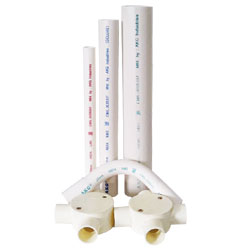
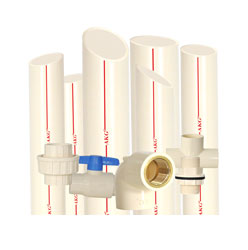
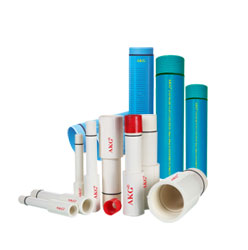
PVC Round Conduit Pipe and Fittings
AKG Electrical Round Conduit PVC Pipes & Fittings are manufactured from a specially formulated unplasticised polyvinyl chloride (uPVC) to meet the most stringent Indian and International standards. Our products are made of Extra Super High Impact materials which make them safe to use in harsh environments. The products are manufactured in accordance with IS: 9537 Part 3,for uPVC conduits, IS: 3419 for uPVC fittings.
Salient Features
Adaptable to standard concealed wiring system as per IS: & BS:
Virgin Suspension grade K-67 PVC. + Processed on twin screws extruders.
Minimum filler ensures high impact strength.
Unplasticised PVC Formulation to Improve the mechanical strength.
UV stabilized.
FAQs
### What is a conduit pipe?
A conduit pipe is a protective tubing system designed to route and safeguard electrical wiring in residential, commercial, and industrial settings. PVC conduit pipes help protect cables from physical damage, moisture, chemicals, and ensure organised, safe wiring networks. AKG offers a wide range of conduit pipes known for strength, flexibility, and durability.
### What are round conduit pipes used for?
[Round conduit pipes](https://www.akggroupindia.com/product/round-conduit-and-fittings) are commonly used to protect electrical wires in homes, offices, and factories. These PVC conduit pipes provide mechanical strength to wiring networks and reduce exposure to environmental hazards. Conduit pipe fittings are used alongside these pipes to maintain the integrity of the system during bends, junctions, or connections.
### Why should I use conduits instead of running wires directly?
Using conduit pipes instead of running wires openly provides significant safety and maintenance benefits. Electrical conduit pipes protect wiring from mechanical damage, moisture, rodents, and other environmental factors. Conduit pipe fittings ensure a secure, professional installation while also simplifying future upgrades or repairs. Choosing PVC pipe and fittings adds durability and chemical resistance to the system.
### What is the difference between UPVC and PVC conduits?
UPVC conduit pipes are unplasticised, offering higher strength and rigidity, while PVC conduit pipes may include plasticisers, giving them more flexibility. Both types serve to protect electrical wiring, but UPVC conduit pipes are preferred for high-strength and fire-resistant applications. PVC pipe and fittings are commonly chosen for general use where flexibility is required.
### What are the different types of conduit pipes available?
AKG offers various types of conduit pipes to suit different needs:
- PVC conduit pipes – Flexible and easy to install for general applications.
- UPVC conduit pipes – Rigid and strong, ideal for harsh environments.
- Electrical conduit pipes with FRLS properties for enhanced fire safety.
All types are available with conduit pipe fittings to ensure secure and efficient installations.
### What types of round conduits does AKG offer?
AKG provides a wide range of round conduit pipes, including:
- Light, Medium, and Heavy-duty PVC conduit pipes
- Fire-resistant electrical conduit pipes with FRLS properties
- Complete solutions with compatible conduit pipe fittings
These products are designed for safety, durability, and compliance with industry standards for PVC pipe and fittings.
### What is FRLS and why is it important for conduit pipes?
FRLS stands for Flame Retardant Low Smoke, an important safety feature in conduit pipes. FRLS-rated PVC conduit pipes and electrical conduit pipes limit flame spread and emit minimal smoke during fire incidents, reducing risk to life and property. When used with conduit pipe fittings, they provide a complete solution that enhances safety in buildings where fire safety standards are critical.
### What does V-0 grade mean in conduits?
V-0 is a flame-retardant rating as per UL 94 standards. A conduit pipe with V-0 grade self-extinguishes within 10 seconds and does not drip flaming particles. When combined with conduit pipe fittings, these solutions meet strict building safety standards.
### What is the lifespan of UPVC conduit pipes?
AKG’s UPVC conduit pipes offer a long lifespan, typically ranging between 25 to 50 years, depending on environmental conditions and installation quality. Proper use of conduit pipe fittings extends their performance. These PVC pipes and fittings resist corrosion, chemicals, and UV, making them ideal for long-term electrical protection.
### What fittings are available with AKG round conduits?
AKG offers a wide range of conduit pipe fittings compatible with its round conduit pipes. These include bends, junction boxes, couplers, elbows, and end caps designed to ensure secure, durable connections. All PVC conduit pipes and conduit pipe fittings are precision-engineered to support various installation needs for electrical conduit pipes.
### How are conduit pipes joined together?
Conduit pipes are typically joined using solvent cement, threaded couplers, or push-fit conduit pipe fittings, depending on the installation type. For PVC conduit pipes and electrical conduit pipes, solvent cement is commonly used to create strong, watertight connections. Using recommended PVC pipe and fittings ensures safe and durable joints.
### Can conduit pipes be embedded in walls or concrete despite their smooth surface?
Yes, AKG’s conduit pipes can be embedded within walls or concrete. Although PVC conduit pipes have a smooth surface, proper anchoring, clamps, and high-quality conduit pipe fittings secure them in place. Once installed correctly, these electrical conduit pipes remain safe and reliable even when concealed.
### Are AKG conduits safe for concealed wiring?
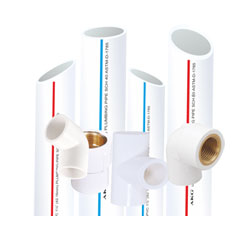
Absolutely. AKG’s PVC conduit pipes and electrical conduit pipes are ideal for concealed wiring applications. Combined with secure conduit pipe fittings, they protect electrical wires from physical damage, moisture, and chemical exposure, ensuring your concealed [PVC pipe and fittings systems](https://www.akggroupindia.com/product/cpvc-pipe-and-fittings) stay safe and reliable.
### Can I paint UPVC conduits to match interiors or exteriors?
Yes, UPVC conduit pipes can be painted using compatible plastic primers and paints. This allows your conduit pipes to blend seamlessly with both interiors and exteriors. Ensure that conduit pipe fittings are also treated if visible, maintaining the aesthetic continuity of your PVC pipe and fittings system.
### What are common challenges during installation, and how can I avoid them?
Common issues include improper alignment, use of low-quality conduit pipe fittings, or not allowing adequate curing time for solvent cement. To avoid these, always use AKG’s high-quality PVC conduit pipes, electrical conduit pipes, and recommended PVC pipe and fittings. Following best practices ensures efficient, long-lasting installations.
Key attributes
Certificates
ISO 9001:2015
BIS
Reviews
Questions & answers
Ask the supplier — answers are visible to all buyers
No questions yet. Be the first to ask!
Know your supplier
AKG EXTRUSIONS PRIVATE LIMITED
Unverified<1 yr on BharatSealSouth Delhi, Delhi
Orders completed
—
On-time delivery
—
Reorder rate
—
Year founded
1986
Staff size
—
Certifications
2
%22%2F%3E%3Ctext%20x%3D%2250%25%22%20y%3D%2250%25%22%20dominant-baseline%3D%22central%22%20text-anchor%3D%22middle%22%20font-family%3D%22'DM%20Sans'%2Csystem-ui%2Csans-serif%22%20font-weight%3D%22800%22%20font-size%3D%22126%22%20fill%3D%22%231a1a1a%22%20fill-opacity%3D%220.14%22%20letter-spacing%3D%22-2%22%3EEL%3C%2Ftext%3E%3C%2Fsvg%3E)


%22%2F%3E%3Ctext%20x%3D%2250%25%22%20y%3D%2250%25%22%20dominant-baseline%3D%22central%22%20text-anchor%3D%22middle%22%20font-family%3D%22'DM%20Sans'%2Csystem-ui%2Csans-serif%22%20font-weight%3D%22800%22%20font-size%3D%22126%22%20fill%3D%22%231a1a1a%22%20fill-opacity%3D%220.14%22%20letter-spacing%3D%22-2%22%3EEP%3C%2Ftext%3E%3C%2Fsvg%3E)
%22%2F%3E%3Ctext%20x%3D%2250%25%22%20y%3D%2250%25%22%20dominant-baseline%3D%22central%22%20text-anchor%3D%22middle%22%20font-family%3D%22'DM%20Sans'%2Csystem-ui%2Csans-serif%22%20font-weight%3D%22800%22%20font-size%3D%22126%22%20fill%3D%22%231a1a1a%22%20fill-opacity%3D%220.14%22%20letter-spacing%3D%22-2%22%3EEL%3C%2Ftext%3E%3C%2Fsvg%3E)
%22%2F%3E%3Ctext%20x%3D%2250%25%22%20y%3D%2250%25%22%20dominant-baseline%3D%22central%22%20text-anchor%3D%22middle%22%20font-family%3D%22'DM%20Sans'%2Csystem-ui%2Csans-serif%22%20font-weight%3D%22800%22%20font-size%3D%22126%22%20fill%3D%22%231a1a1a%22%20fill-opacity%3D%220.14%22%20letter-spacing%3D%22-2%22%3EES%3C%2Ftext%3E%3C%2Fsvg%3E)
%22%2F%3E%3Ctext%20x%3D%2250%25%22%20y%3D%2250%25%22%20dominant-baseline%3D%22central%22%20text-anchor%3D%22middle%22%20font-family%3D%22'DM%20Sans'%2Csystem-ui%2Csans-serif%22%20font-weight%3D%22800%22%20font-size%3D%22126%22%20fill%3D%22%231a1a1a%22%20fill-opacity%3D%220.14%22%20letter-spacing%3D%22-2%22%3ELP%3C%2Ftext%3E%3C%2Fsvg%3E)