FROM PROPYLENE

Palghar, MH
Storefront Price on request. Ask the factory for a quote.
MOQ not declared by manufacturerLead time not declared by manufacturerCurrency INR
Description
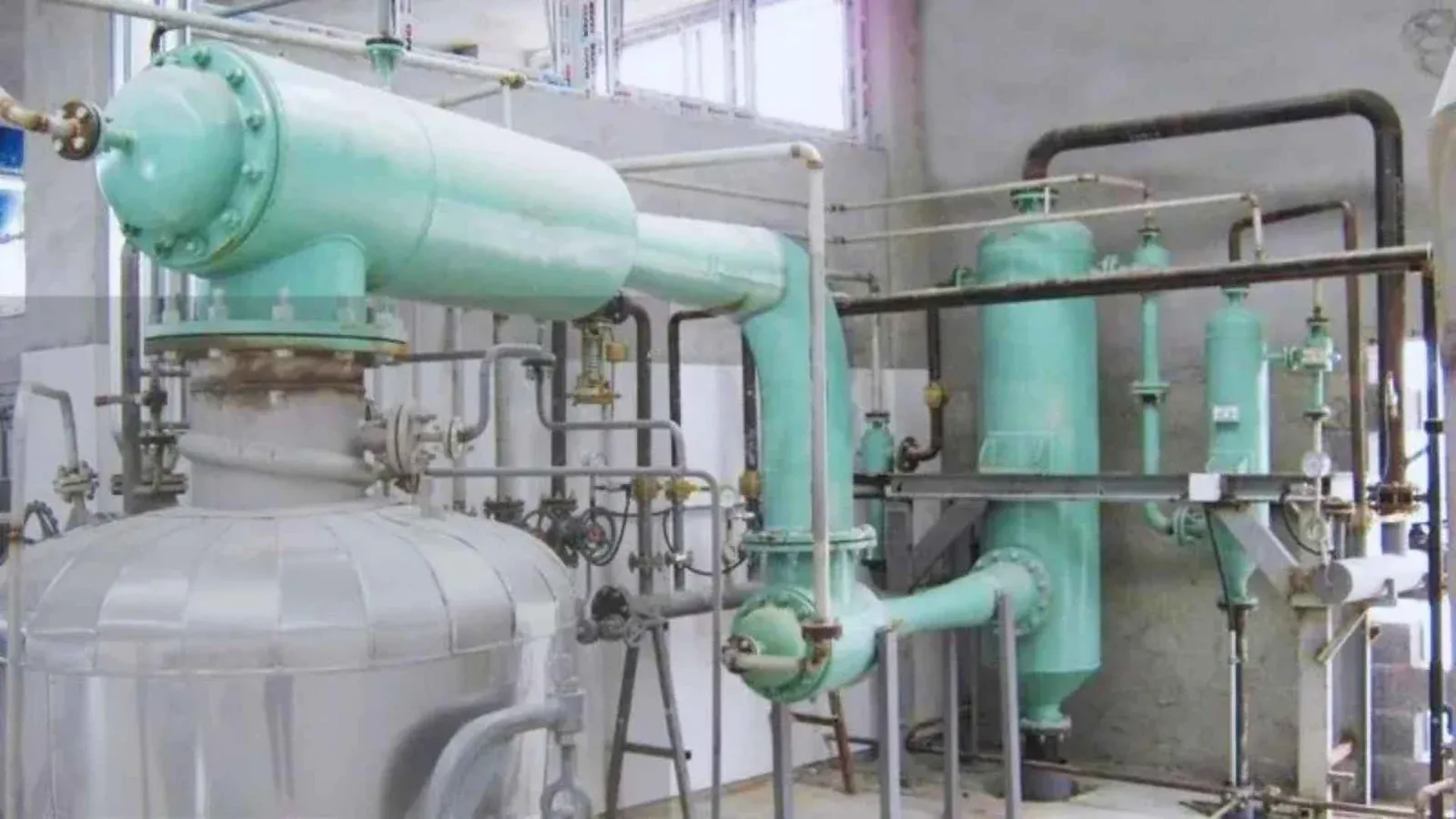
The basis for the first commercial process for the manufacture of synthetic glycerine was the discovery by Shell Development Company in the mid-1930s that allyl chloride could be produced in high yields by the hot non-catalytic, vapour phase chlorination of propylene. This discovery was followed by the development of a process for the conversion of allyl chloride to glycerine, prior to World War - 2. Based on this process, the first synthetic glycerol was produced in 1943 by IG Farben in Oppan and Heydebreck in Germany, and in 1948 by Shell in Houston, Texas, in the USA. Propylene can also be oxidized in high yields to acrolein which then, can be converted to glycerol by several routes. A variety of processes for synthesizing glycerol from propylene are shown in the following figure. FIGURE 3: ROUTES FOR MANUFACTURE OF SYNTHETIC GLYCEROL These chemical routes to produce synthetic glycerol may be grouped as follows - Allyl chloride - epichlorohydrin route Acrolein - allyl alcohol - glycidol route Propylene oxide - allyl alcohol - glycidol route These three routes are briefly discussed here. Allyl Chloride Route Allyl chloride is produced by the hot non-catalytic chlorination of an excess of propylene at a temperature of about 500 deg. C. The reaction product is cooled and successively distilled to remove hydrogen chloride and unreacted propylene, light impurities and heavy impurities. The hydrogen chloride and propylene overheads in the first column are passed through a water
Reviews
Reviews here come from delivered orders. Only buyers who completed a delivered order can rate this supplier, so the first review appears after the first delivery on BharatSeal.
Questions & answers
Ask the supplier. Answers are visible to all buyers
No questions yet. Ask the first one: the supplier is notified and the answer is posted here for every buyer.
Know your supplier
Kumar Metal Industries Pvt.Ltd
Not claimed<1 yr on BharatSealPalghar, Maharashtra
Year founded
1939